Industry
Product Design · Collaborative UX · Lightweight Interaction Systems
Client
Split
Designing Split: A Lightweight System for Group Creation and Shared Decisions

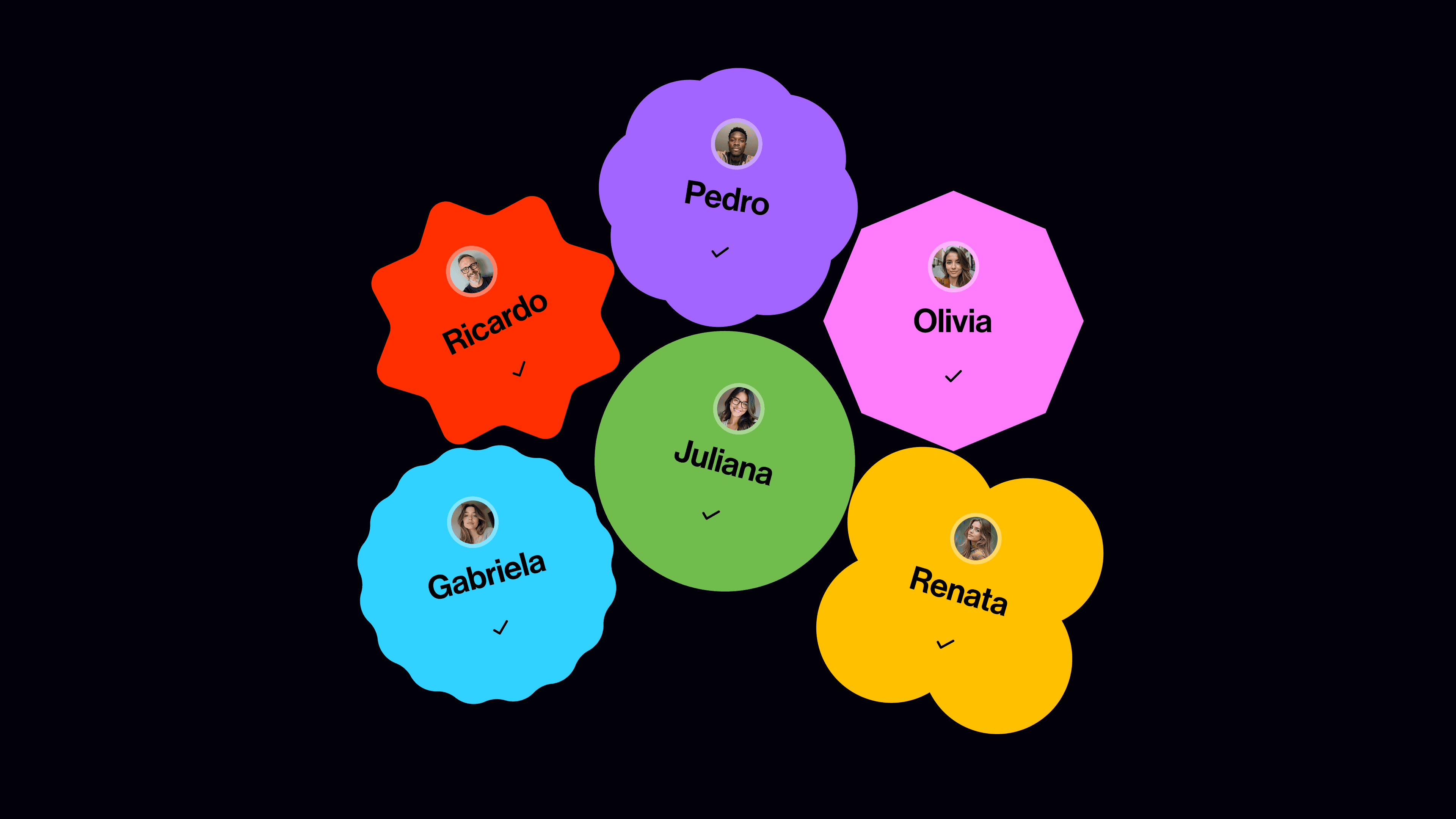
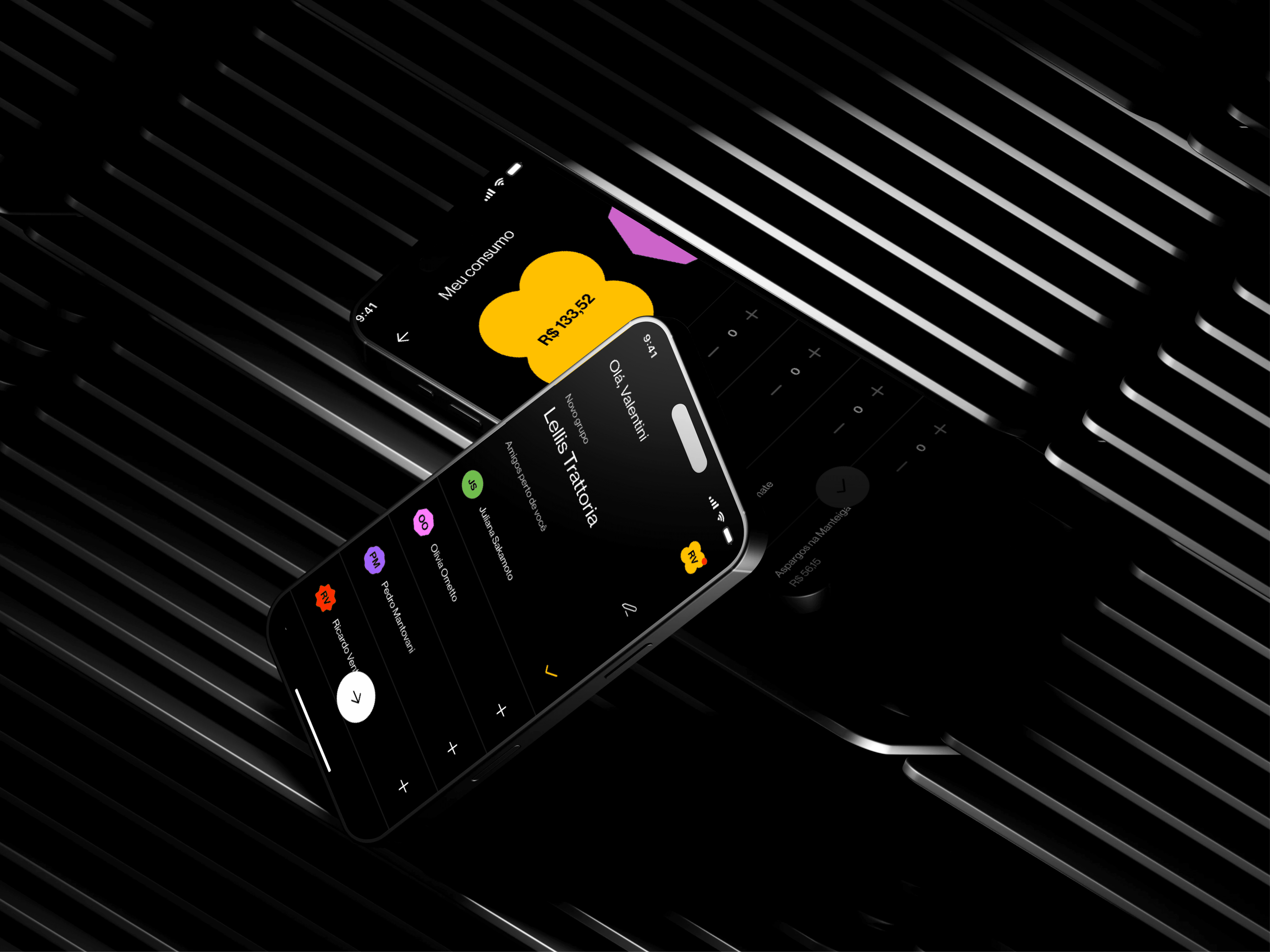
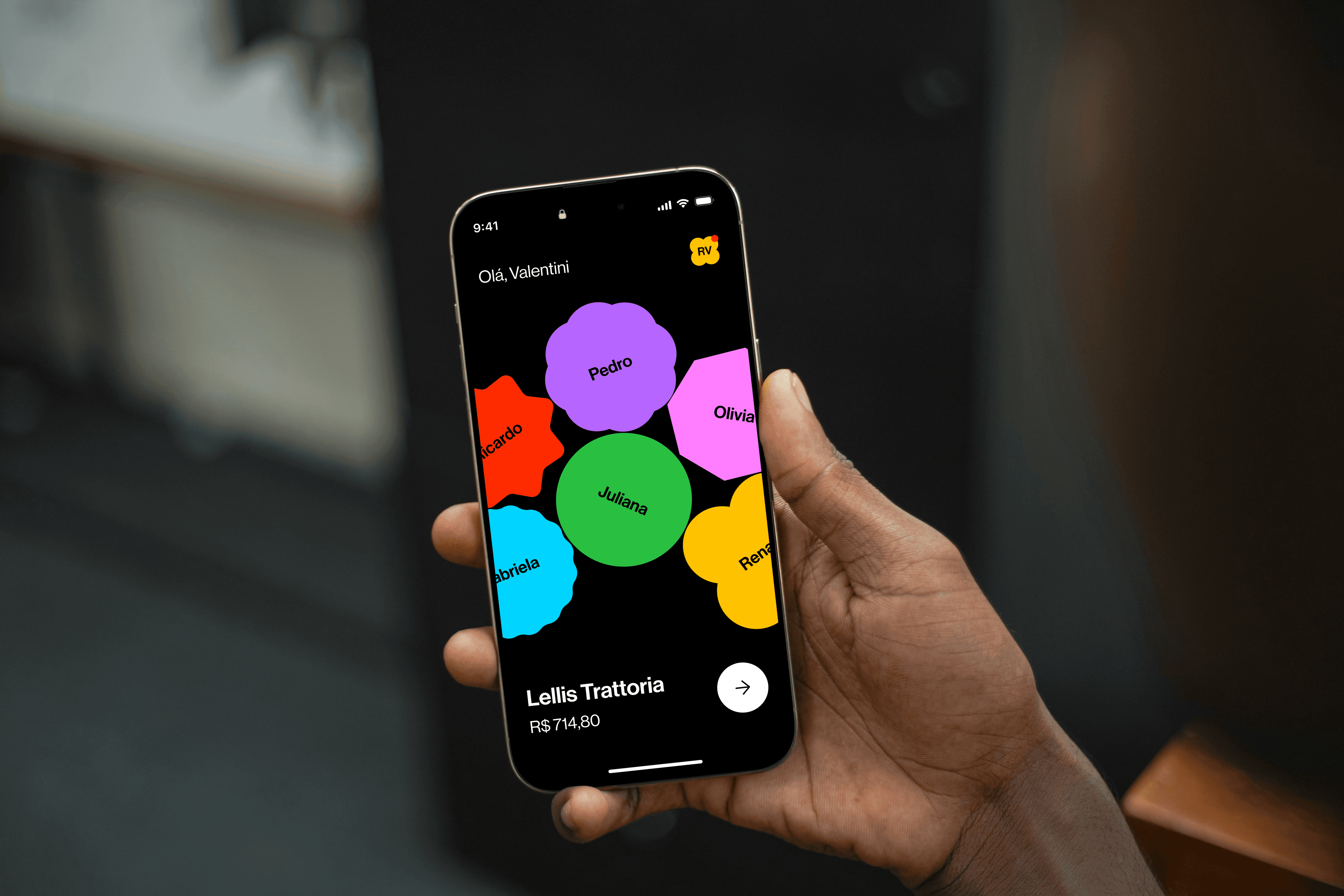
A lightweight, system-driven product experience that enables fast group creation and shared decisions reducing cognitive load while balancing clarity, motion and emotional expression.
1. Overview Split is a product concept designed to simplify how groups make decisions together, reducing friction in shared planning, coordination and expense management. The goal was to create a lightweight, system-driven experience that enables fast group creation, clear decision-making and intuitive collaboration without overwhelming users. This project reflects my approach to designing scalable product systems that balance clarity, usability and expressive interaction. 2. Challenge Group decision-making is inherently complex. Users need to align on context, define shared actions and move forward together — often under time pressure and with limited attention. Most existing solutions either: • overload users with options • lack clear structure and progression • or fail to provide confidence in shared decisions The challenge was to design an experience that supports fast alignment while maintaining clarity, control and engagement. 3. Diagnosis Through early exploration and usability analysis, I identified key structural issues impacting the experience: • unclear hierarchy between steps and actions • lack of guided progression, increasing cognitive effort • competing visual elements reducing focus and intention • weak feedback loops, affecting perceived responsiveness • fragmented interaction narrative, breaking flow continuity It became clear that the problem was not visual but structural. The experience needed a stronger system logic to support decision-making. 4. Strategy The redesign was guided by four core principles: • Flow-first decision making Design interactions as a guided sequence, reducing ambiguity at every step • Expressive but controlled UI Balance personality and emotion without compromising clarity • Progressive disclosure Reveal only what is necessary at each moment to reduce cognitive load • Modular system thinking Build reusable patterns that support scalability and future evolution 5. Solution The solution focused on restructuring the experience as a guided and predictable system rather than a collection of isolated screens. Key decisions included: • a simplified multi-step flow with clear hierarchy and logical progression • systemized interaction patterns to reduce ambiguity across actions • visual customization layers that add emotional value without increasing complexity • microinteractions to reinforce feedback and system responsiveness • consistent use of spacing, contrast and hierarchy to improve scanability • modular screen architecture enabling scalability and feature expansion The result is an experience that feels fast, expressive and controlled at the same time. 6. Results & Impact The redesigned experience improves how users interact with collaborative flows by: • reducing friction in group creation and shared setup • enabling faster and more confident decision-making • improving clarity across steps, actions and system states • strengthening product identity while preserving usability • increasing perceived responsiveness through feedback and motion • establishing a scalable foundation for future features and growth 7. Reflection This project demonstrates my approach to designing product systems that balance clarity, scalability and emotional engagement in collaborative contexts. Rather than focusing only on interface design, the work prioritizes structure, flow and decision-making ensuring the product performs effectively in real-world scenarios.